Q13765
Gene name |
NACA (HSD48) |
Protein name |
Nascent polypeptide-associated complex subunit alpha |
Names |
|
Species |
Homo sapiens (Human) |
KEGG Pathway |
hsa:4666 |
EC number |
|
Protein Class |
|
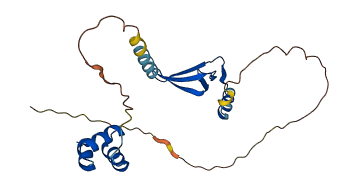
Descriptions
The autoinhibited protein was predicted that may have potential autoinhibitory elements via cis-regPred.
Autoinhibitory domains (AIDs)
Target domain |
|
Relief mechanism |
|
Assay |
cis-regPred |
Accessory elements
No accessory elements
Autoinhibited structure

Activated structure
8 structures for Q13765
84 variants for Q13765
| Variant ID(s) | Position | Change | Description | Diseaes Association | Provenance |
|---|---|---|---|---|---|
|
rs1308468057 CA385373579 |
2 | P>T | No |
ClinGen gnomAD |
|
|
CA385373570 rs1181426563 |
3 | G>D | No |
ClinGen TOPMed |
|
|
CA6637419 rs777134528 |
4 | E>K | No |
ClinGen ExAC gnomAD |
|
|
CA385373553 rs1361647025 |
6 | T>A | Variant assessed as Somatic; 0.0 impact. [NCI-TCGA] | No |
ClinGen NCI-TCGA TOPMed gnomAD |
| TCGA novel | 7 | E>K | Variant assessed as Somatic; impact. [NCI-TCGA] | No | NCI-TCGA |
|
CA6637418 rs768837305 |
8 | T>A | No |
ClinGen ExAC gnomAD |
|
|
rs768837305 CA385373540 |
8 | T>P | No |
ClinGen ExAC gnomAD |
|
|
CA385373515 rs1266339906 |
12 | T>S | No |
ClinGen Ensembl |
|
|
CA237693756 rs141524946 |
14 | Q>E | No |
ClinGen ESP TOPMed |
|
|
CA237693751 rs950644707 |
17 | P>R | No |
ClinGen TOPMed gnomAD |
|
|
rs1389885908 CA385373476 |
18 | Q>E | No |
ClinGen TOPMed |
|
|
rs919205998 CA237693738 |
18 | Q>R | No |
ClinGen Ensembl |
|
|
rs772226688 CA6637415 |
19 | P>L | No |
ClinGen ExAC gnomAD |
|
|
rs1310785453 CA385373455 |
20 | Q>R | No |
ClinGen TOPMed |
|
|
CA385352436 rs1351574646 |
24 | G>E | No |
ClinGen gnomAD |
|
|
rs780846428 CA6636100 |
26 | G>R | No |
ClinGen ExAC gnomAD |
|
|
CA6636098 rs746751293 |
28 | E>D | No |
ClinGen ExAC TOPMed gnomAD |
|
|
rs777531581 CA6636097 |
29 | S>Y | No |
ClinGen ExAC gnomAD |
|
|
CA6636095 rs752601094 |
33 | E>G | No |
ClinGen ExAC TOPMed gnomAD |
|
|
rs1188404308 CA385352281 |
33 | E>K | No |
ClinGen gnomAD |
|
|
rs765191035 CA6636094 |
35 | V>E | No |
ClinGen ExAC gnomAD |
|
|
rs755039444 CA6636093 |
37 | E>Q | No |
ClinGen ExAC gnomAD |
|
|
rs1432006073 CA385352222 |
38 | L>I | No |
ClinGen gnomAD |
|
|
COSM219262 CA6636092 COSM219263 rs753879408 |
38 | L>P | breast [Cosmic] | No |
ClinGen cosmic curated ExAC gnomAD |
|
CA385352154 rs1477739913 |
42 | D>N | No |
ClinGen gnomAD |
|
|
CA385352126 rs758802708 |
43 | S>F | No |
ClinGen gnomAD |
|
|
CA237683434 rs758802708 |
43 | S>Y | No |
ClinGen gnomAD |
|
|
rs1447768050 CA385352019 |
50 | Q>E | No |
ClinGen gnomAD |
|
|
rs760807270 CA6636090 |
52 | Q>R | No |
ClinGen ExAC gnomAD |
|
|
CA6636070 rs11555460 |
54 | A>V | No |
ClinGen ESP ExAC TOPMed gnomAD |
|
|
CA385351830 rs1381993354 |
58 | E>A | No |
ClinGen TOPMed |
|
|
CA237683309 rs4902 |
59 | I>M | No |
ClinGen 1000Genomes ESP ExAC TOPMed gnomAD |
|
|
CA385351800 rs1172699259 |
60 | D>N | No |
ClinGen TOPMed |
|
|
COSM1299692 rs1377682007 COSM1299693 CA385351781 COSM1299694 |
61 | E>K | Variant assessed as Somatic; impact. urinary_tract [NCI-TCGA, Cosmic] | No |
ClinGen cosmic curated NCI-TCGA TOPMed |
|
rs762218766 CA385351750 |
62 | E>D | No |
ClinGen ExAC gnomAD |
|
|
CA6636065 rs751984054 |
63 | P>L | No |
ClinGen ExAC TOPMed gnomAD |
|
|
CA385351676 rs1173006640 |
67 | A>G | No |
ClinGen gnomAD |
|
|
CA385351678 rs1173006640 |
67 | A>V | No |
ClinGen gnomAD |
|
|
CA385351637 rs1410817270 |
70 | S>R | No |
ClinGen gnomAD |
|
|
CA6636064 rs764594157 |
71 | R>Q | No |
ClinGen ExAC gnomAD |
|
|
CA237683293 rs199686168 |
74 | K>E | No |
ClinGen 1000Genomes |
|
|
CA6636040 rs751896200 |
84 | G>S | No |
ClinGen ExAC gnomAD |
|
|
rs1565891491 CA385351303 |
86 | R>W | Variant assessed as Somatic; impact. [NCI-TCGA] | No |
ClinGen Ensembl NCI-TCGA |
|
rs560638525 CA237682928 |
90 | G>E | No |
ClinGen 1000Genomes |
|
|
CA237682926 rs1055341700 |
95 | T>A | No |
ClinGen TOPMed |
|
|
rs1224854276 CA385351197 |
96 | I>V | Variant assessed as Somatic; 0.0 impact. [NCI-TCGA] | No |
ClinGen NCI-TCGA gnomAD |
|
rs200634986 CA237682918 |
97 | R>Q | No |
ClinGen Ensembl |
|
|
rs1054514231 CA237682923 |
97 | R>W | No |
ClinGen Ensembl |
|
|
CA237682908 rs11555463 |
104 | F>L | No |
ClinGen Ensembl |
|
|
rs1281783189 CA385351096 |
105 | V>I | No |
ClinGen gnomAD |
|
|
CA6636037 rs753104893 |
106 | I>V | No |
ClinGen ExAC gnomAD |
|
|
rs11611171 CA237682901 |
108 | K>N | No |
ClinGen Ensembl |
|
|
CA6636035 rs760122245 |
110 | D>E | No |
ClinGen ExAC gnomAD |
|
|
CA6636034 rs772715468 |
111 | V>G | No |
ClinGen ExAC gnomAD |
|
|
rs771639337 CA6636033 |
112 | Y>C | No |
ClinGen ExAC gnomAD |
|
|
rs1487448500 CA385351003 |
113 | K>E | No |
ClinGen TOPMed |
|
|
CA6636031 rs200437576 |
115 | P>S | No |
ClinGen 1000Genomes ExAC TOPMed gnomAD |
|
|
CA385350967 rs1592308840 |
116 | A>T | No |
ClinGen Ensembl |
|
|
CA385350922 rs373370096 |
119 | T>N | No |
ClinGen ESP gnomAD |
|
|
rs373370096 CA237682884 |
119 | T>S | No |
ClinGen ESP gnomAD |
|
|
CA385350888 rs1273385437 |
122 | V>F | No |
ClinGen gnomAD |
|
| rs758653483 | 128 | I>= | Variant assessed as Somatic; 0.0 impact. [NCI-TCGA] | No | NCI-TCGA |
| TCGA novel | 130 | D>N | Variant assessed as Somatic; impact. [NCI-TCGA] | No | NCI-TCGA |
| TCGA novel | 141 | E>K | Variant assessed as Somatic; impact. [NCI-TCGA] | No | NCI-TCGA |
|
rs1380739745 CA385350305 |
147 | G>S | No |
ClinGen gnomAD |
|
|
rs1565891043 CA385350287 |
149 | A>G | No |
ClinGen Ensembl |
|
|
rs1338734941 CA385350257 |
154 | Q>E | No |
ClinGen gnomAD |
|
|
CA237682651 rs936969767 |
159 | T>A | No |
ClinGen TOPMed |
|
|
CA6635998 rs779325302 |
159 | T>I | No |
ClinGen ExAC gnomAD |
|
|
rs1219215137 CA385350210 |
161 | T>A | No |
ClinGen TOPMed |
|
|
CA6635996 rs754316696 |
164 | E>A | No |
ClinGen ExAC TOPMed gnomAD |
|
|
rs894486492 CA237682639 |
164 | E>K | No |
ClinGen Ensembl |
|
|
rs894486492 CA237682643 |
164 | E>Q | No |
ClinGen Ensembl |
|
|
rs146755279 CA237682633 |
165 | E>Q | No |
ClinGen ESP |
|
|
rs756703844 CA6635994 |
168 | E>D | No |
ClinGen ExAC TOPMed gnomAD |
|
| rs534417377 | 171 | V>= | Variant assessed as Somatic; 0.0 impact. [NCI-TCGA] | No | NCI-TCGA |
|
CA385350089 rs1180352835 |
171 | V>I | No |
ClinGen gnomAD |
|
|
CA6635971 rs149732816 |
172 | D>N | No |
ClinGen ESP ExAC TOPMed gnomAD |
|
|
CA385350062 rs1222136724 |
173 | E>* | No |
ClinGen gnomAD |
|
|
rs777322987 CA6635970 |
176 | V>I | No |
ClinGen ExAC TOPMed gnomAD |
|
|
rs1319717101 CA385350007 |
178 | V>F | No |
ClinGen gnomAD |
|
|
CA6635965 rs753691485 |
198 | A>T | No |
ClinGen ExAC gnomAD |
|
|
rs1325184778 CA385349673 |
201 | N>S | No |
ClinGen gnomAD |
|
| TCGA novel | 208 | N>D | Variant assessed as Somatic; impact. [NCI-TCGA] | No | NCI-TCGA |
No associated diseases with Q13765
4 GO annotations of cellular component
| Name | Definition |
|---|---|
| cytoplasm | The contents of a cell excluding the plasma membrane and nucleus, but including other subcellular structures. |
| extracellular exosome | A vesicle that is released into the extracellular region by fusion of the limiting endosomal membrane of a multivesicular body with the plasma membrane. Extracellular exosomes, also simply called exosomes, have a diameter of about 40-100 nm. |
| nascent polypeptide-associated complex | A heterodimeric protein complex that can reversibly bind to ribosomes, and is located in direct proximity to newly synthesized polypeptide chains as they emerge from the ribosome. |
| nucleus | A membrane-bounded organelle of eukaryotic cells in which chromosomes are housed and replicated. In most cells, the nucleus contains all of the cell's chromosomes except the organellar chromosomes, and is the site of RNA synthesis and processing. In some species, or in specialized cell types, RNA metabolism or DNA replication may be absent. |
2 GO annotations of molecular function
| Name | Definition |
|---|---|
| DNA binding | Any molecular function by which a gene product interacts selectively and non-covalently with DNA (deoxyribonucleic acid). |
| transcription coactivator activity | A transcription coregulator activity that activates or increases the transcription of specific gene sets via binding to a DNA-bound DNA-binding transcription factor, either on its own or as part of a complex. Coactivators often act by altering chromatin structure and modifications. For example, one class of transcription coactivators modifies chromatin structure through covalent modification of histones. A second class remodels the conformation of chromatin in an ATP-dependent fashion. A third class modulates interactions of DNA-bound DNA-binding transcription factors with other transcription coregulators. A fourth class of coactivator activity is the bridging of a DNA-binding transcription factor to the general (basal) transcription machinery. The Mediator complex, which bridges sequence-specific DNA binding transcription factors and RNA polymerase, is also a transcription coactivator. |
13 GO annotations of biological process
| Name | Definition |
|---|---|
| cardiac ventricle development | The process whose specific outcome is the progression of a cardiac ventricle over time, from its formation to the mature structure. A cardiac ventricle receives blood from a cardiac atrium and pumps it out of the heart. |
| heart trabecula morphogenesis | The process of shaping a trabecula in the heart. A trabecula is a small, often microscopic, tissue element in the form of a small beam, strut or rod, which generally has a mechanical function. Trabecula are usually but not necessarily, composed of dense collagenous tissue. |
| negative regulation of protein localization to endoplasmic reticulum | Any process that stops, prevents or reduces the frequency, rate or extent of protein localization to endoplasmic reticulum. |
| negative regulation of striated muscle cell apoptotic process | Any process that decreases the rate or extent of striated muscle cell apoptotic process, a form of programmed cell death induced by external or internal signals that trigger the activity of proteolytic caspases whose actions dismantle a striated muscle cell and result in its death. |
| negative regulation of transcription by RNA polymerase II | Any process that stops, prevents, or reduces the frequency, rate or extent of transcription mediated by RNA polymerase II. |
| positive regulation of cell proliferation involved in heart morphogenesis | Any process that activates or increases the frequency, rate or extent of cell proliferation involved in heart morphogenesis. |
| positive regulation of skeletal muscle tissue growth | Any process that activates, maintains or increases the rate of skeletal muscle growth. |
| positive regulation of transcription by RNA polymerase II | Any process that activates or increases the frequency, rate or extent of transcription from an RNA polymerase II promoter. |
| protein transport | The directed movement of proteins into, out of or within a cell, or between cells, by means of some agent such as a transporter or pore. |
| regulation of skeletal muscle fiber development | Any process that modulates the frequency, rate or extent of skeletal muscle fiber development. Muscle fibers are formed by the maturation of myotubes. They can be classed as slow, intermediate/fast or fast. |
| skeletal muscle tissue regeneration | The regrowth of skeletal muscle tissue to repair injured or damaged muscle fibers in the postnatal stage. |
| translation | The cellular metabolic process in which a protein is formed, using the sequence of a mature mRNA or circRNA molecule to specify the sequence of amino acids in a polypeptide chain. Translation is mediated by the ribosome, and begins with the formation of a ternary complex between aminoacylated initiator methionine tRNA, GTP, and initiation factor 2, which subsequently associates with the small subunit of the ribosome and an mRNA or circRNA. Translation ends with the release of a polypeptide chain from the ribosome. |
| wound healing | The series of events that restore integrity to a damaged tissue, following an injury. |
5 homologous proteins in AiPD
| UniProt AC | Gene Name | Protein Name | Species | Evidence Code |
|---|---|---|---|---|
| Q5E9A1 | NACA | Nascent polypeptide-associated complex subunit alpha | Bos taurus (Bovine) | PR |
| Q94518 | Nacalpha | Nascent polypeptide-associated complex subunit alpha | Drosophila melanogaster (Fruit fly) | PR |
| Q86S66 | icd-2 | Nascent polypeptide-associated complex subunit alpha | Caenorhabditis elegans | PR |
| Q94JX9 | At3g49470 | Nascent polypeptide-associated complex subunit alpha-like protein 2 | Arabidopsis thaliana (Mouse-ear cress) | PR |
| Q68F90 | naca | Nascent polypeptide-associated complex subunit alpha | Xenopus tropicalis (Western clawed frog) (Silurana tropicalis) | PR |
| 10 | 20 | 30 | 40 | 50 | 60 |
| MPGEATETVP | ATEQELPQPQ | AETGSGTESD | SDESVPELEE | QDSTQATTQQ | AQLAAAAEID |
| 70 | 80 | 90 | 100 | 110 | 120 |
| EEPVSKAKQS | RSEKKARKAM | SKLGLRQVTG | VTRVTIRKSK | NILFVITKPD | VYKSPASDTY |
| 130 | 140 | 150 | 160 | 170 | 180 |
| IVFGEAKIED | LSQQAQLAAA | EKFKVQGEAV | SNIQENTQTP | TVQEESEEEE | VDETGVEVKD |
| 190 | 200 | 210 | |||
| IELVMSQANV | SRAKAVRALK | NNSNDIVNAI | MELTM |